Dominik Jalowinski
A Fusion of Traditional Painting and AI
Dominik Jalowinski
Exhibition View
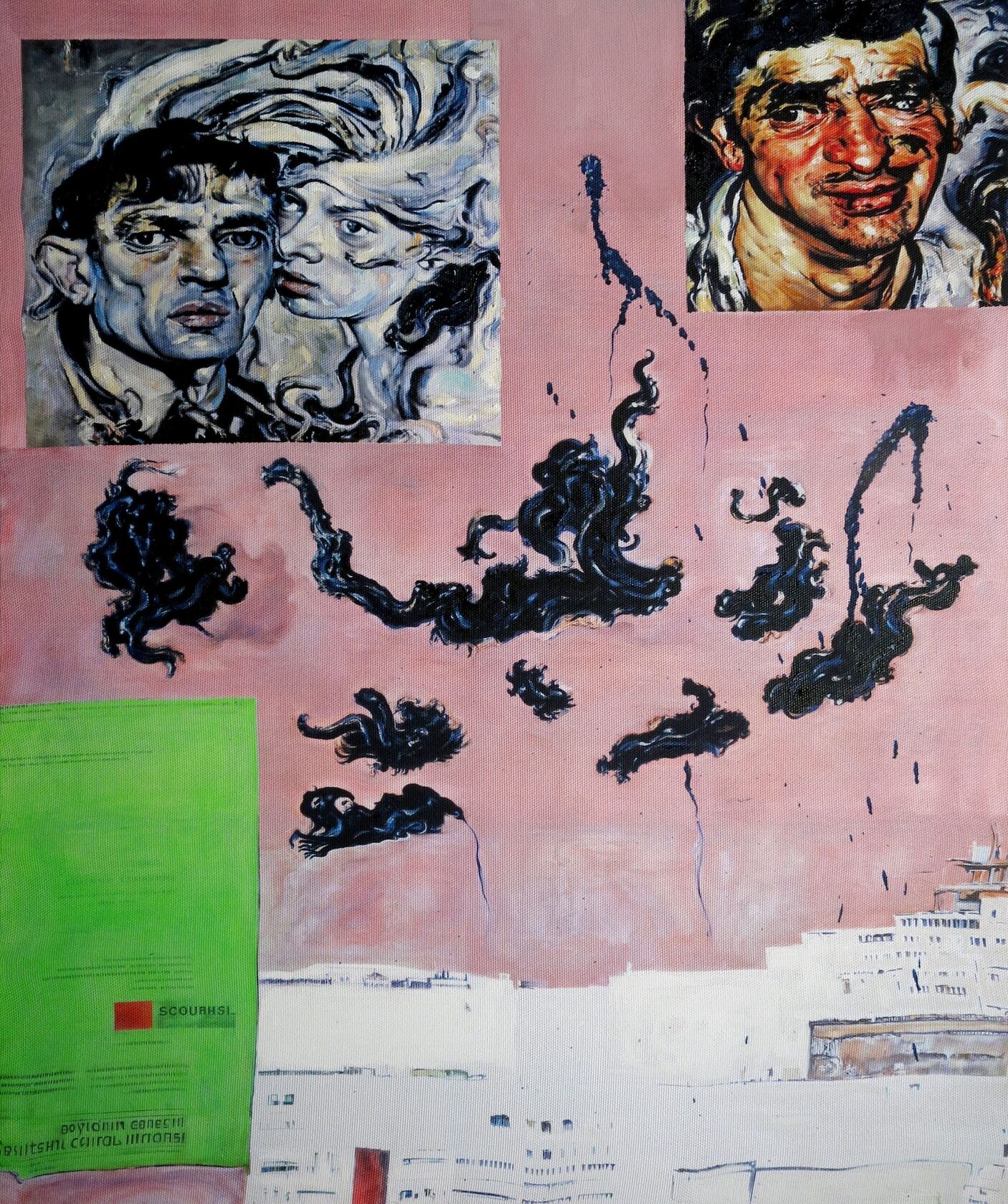
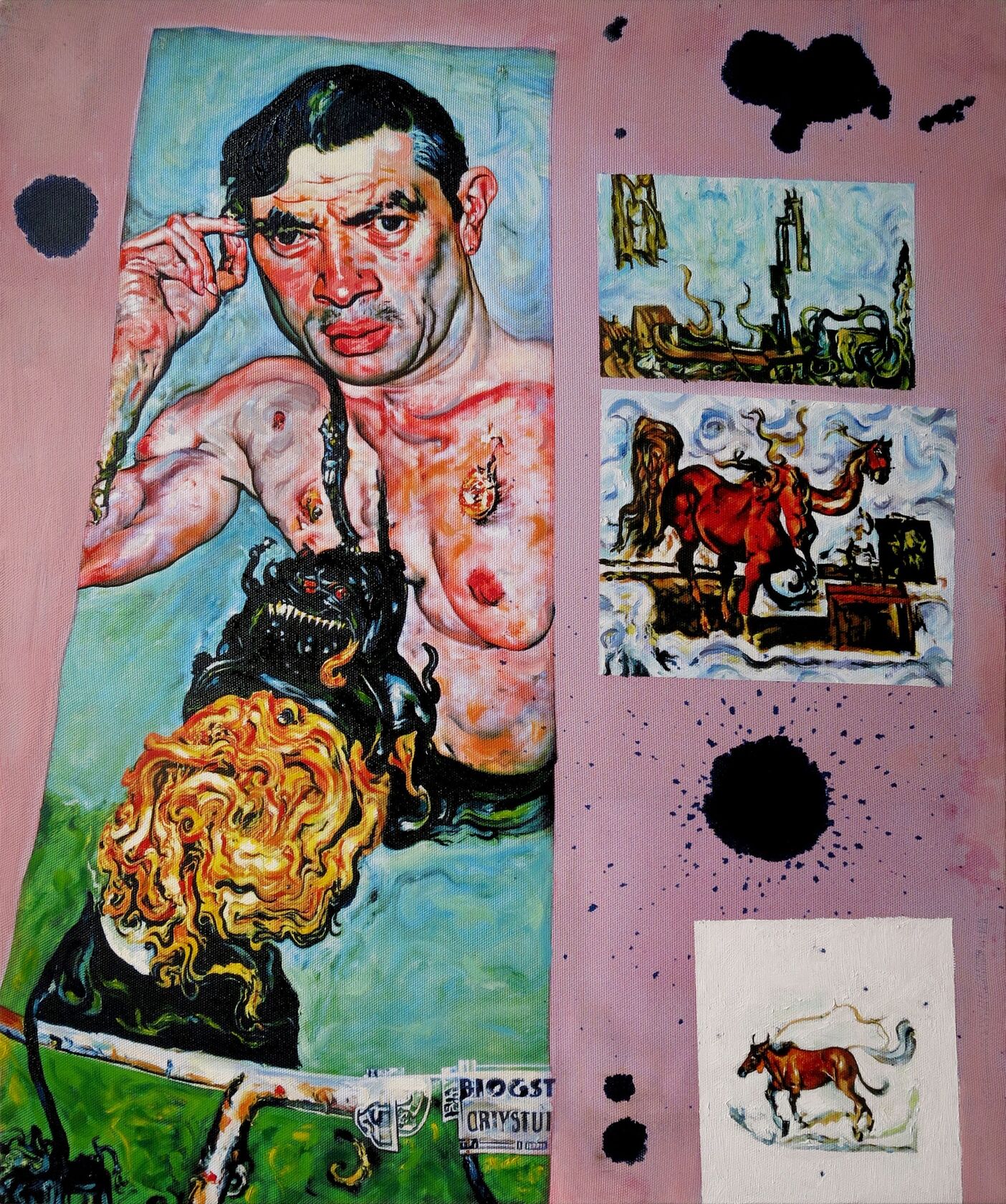
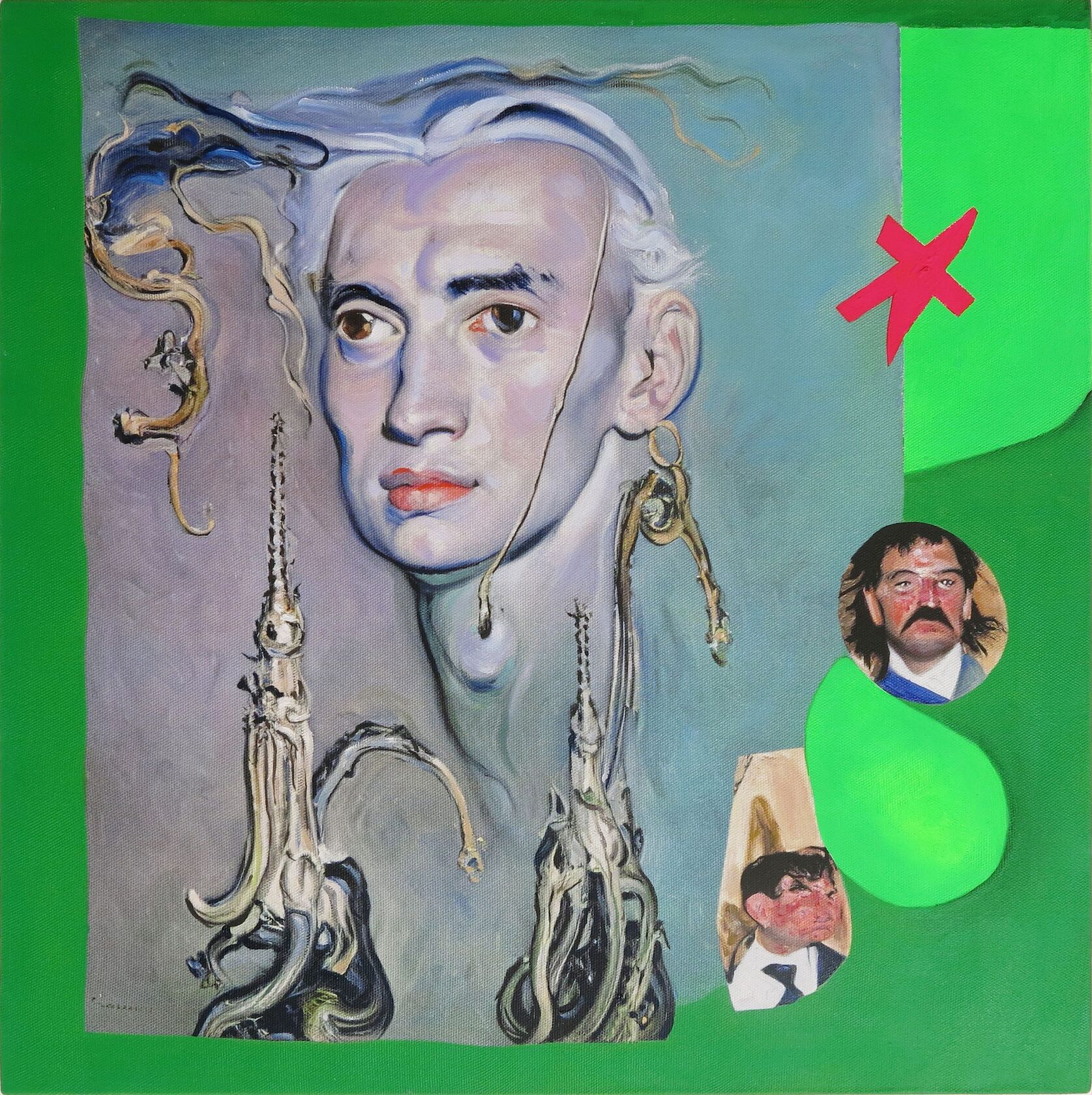
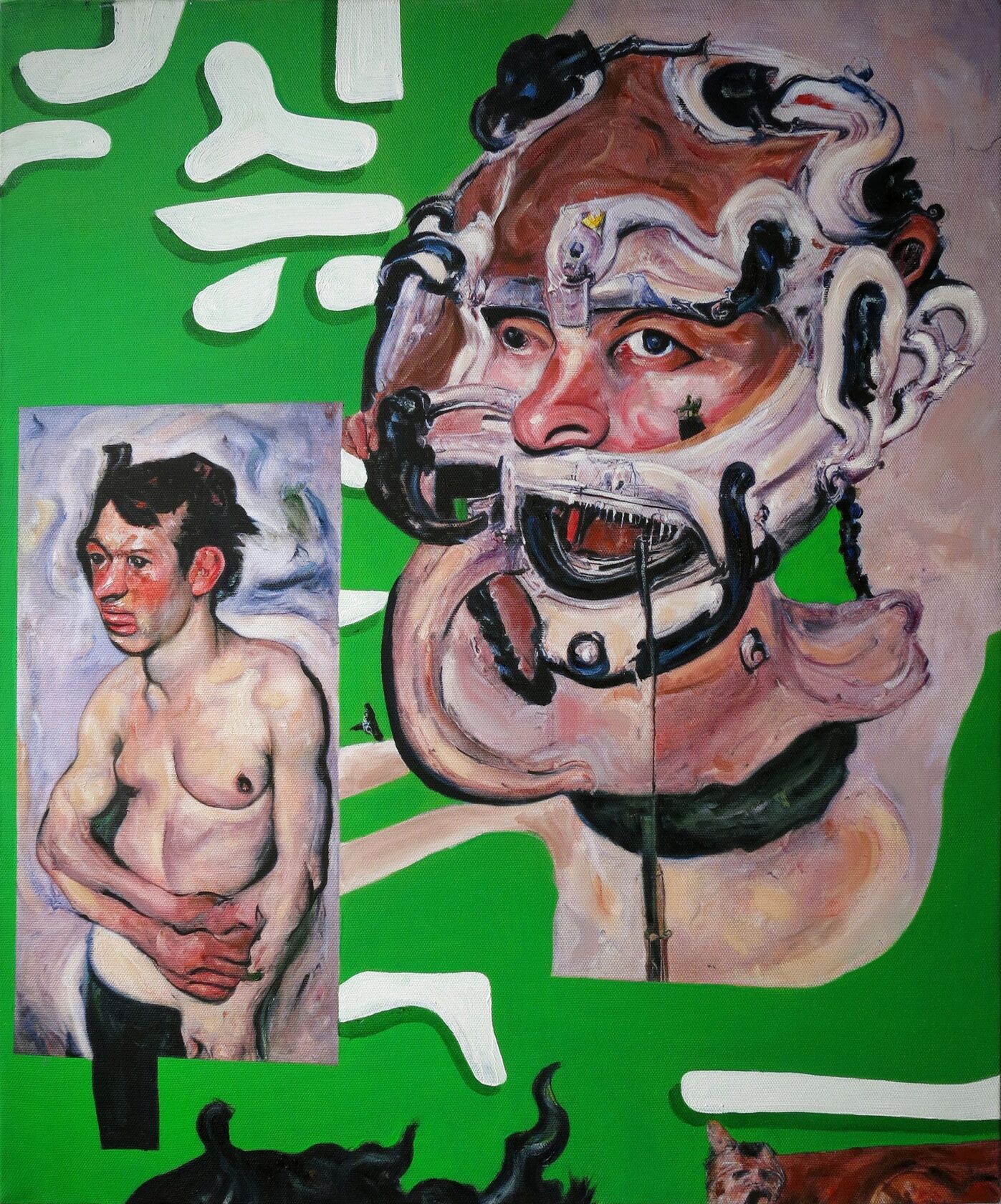
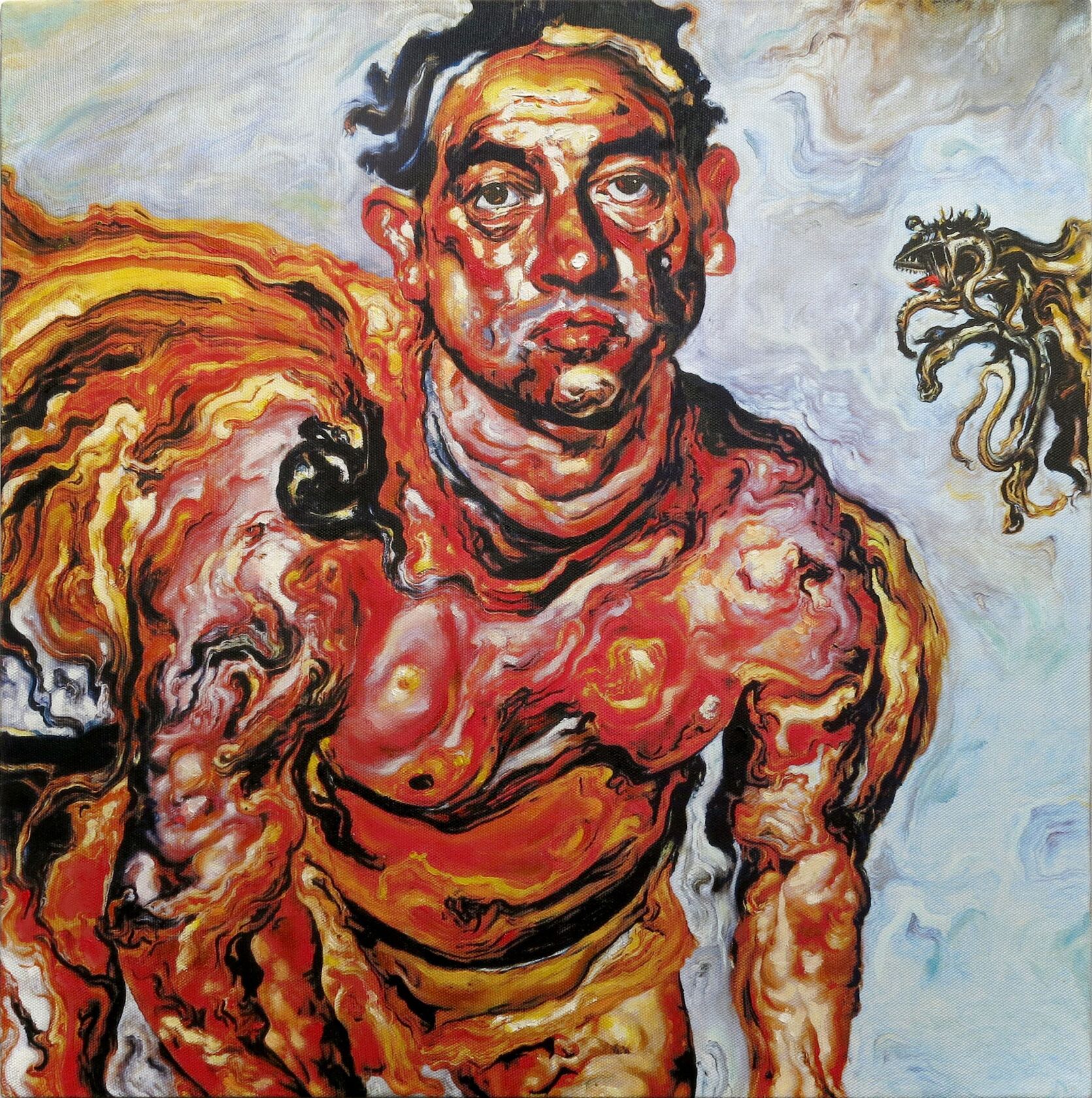
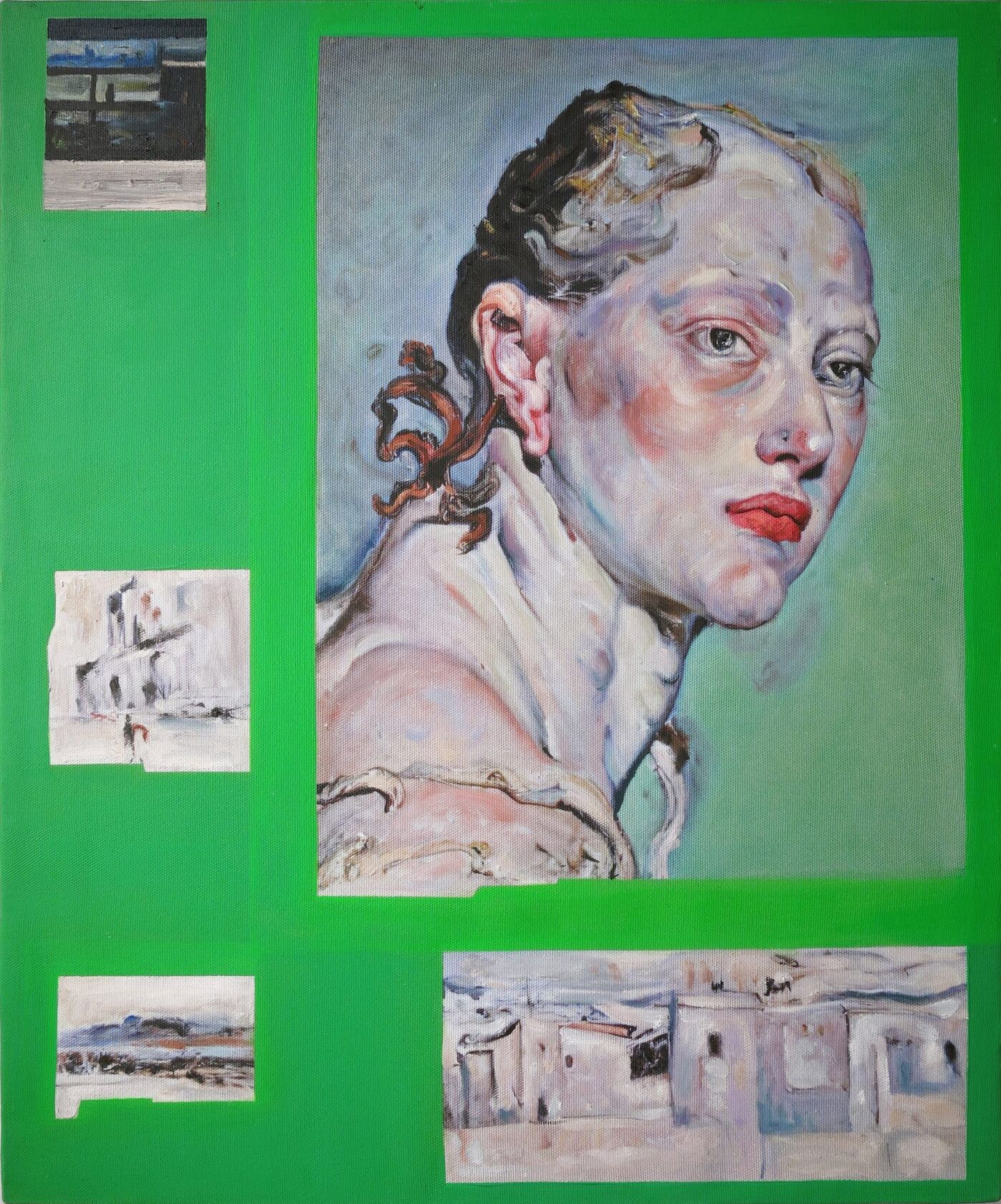
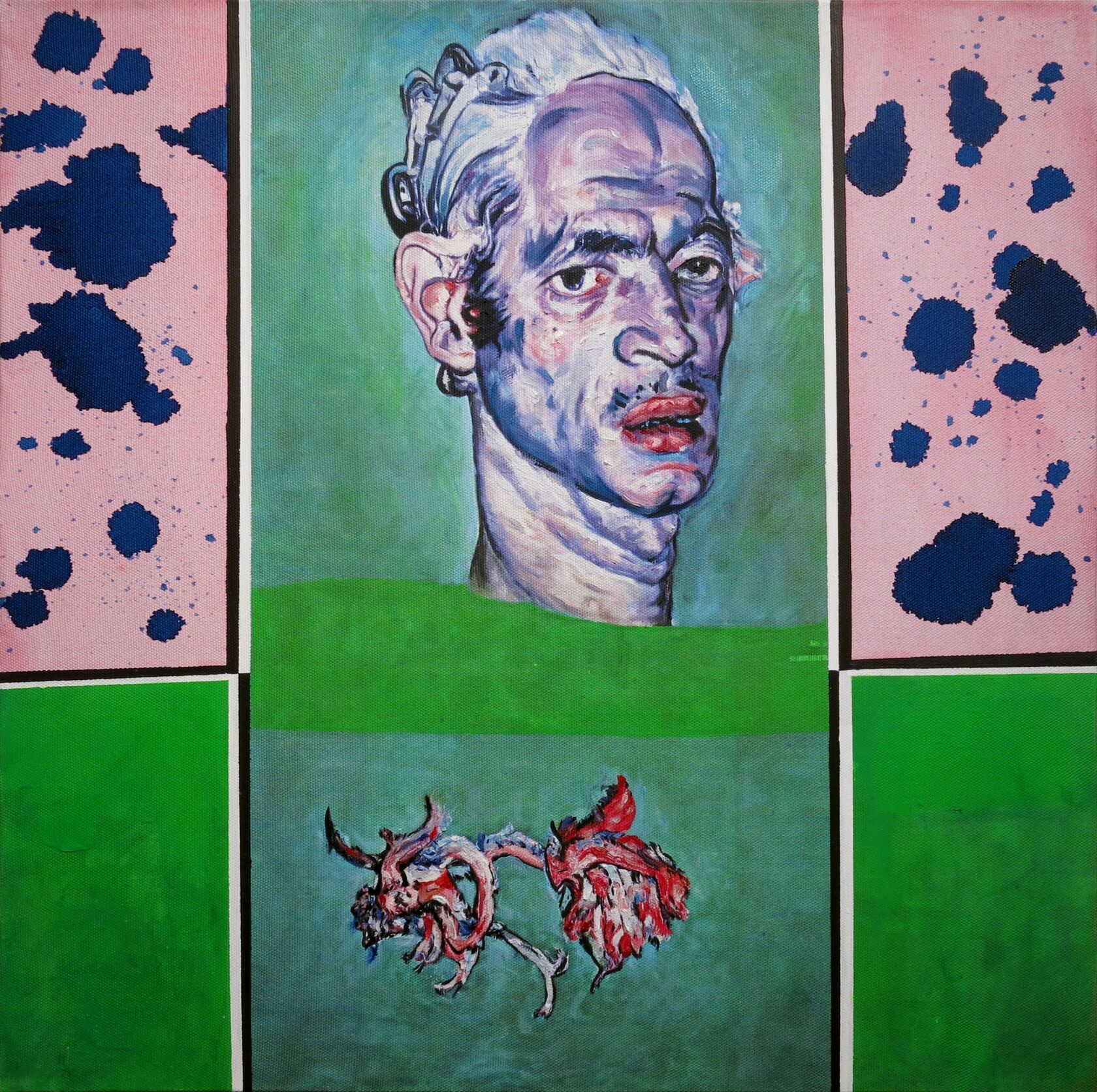
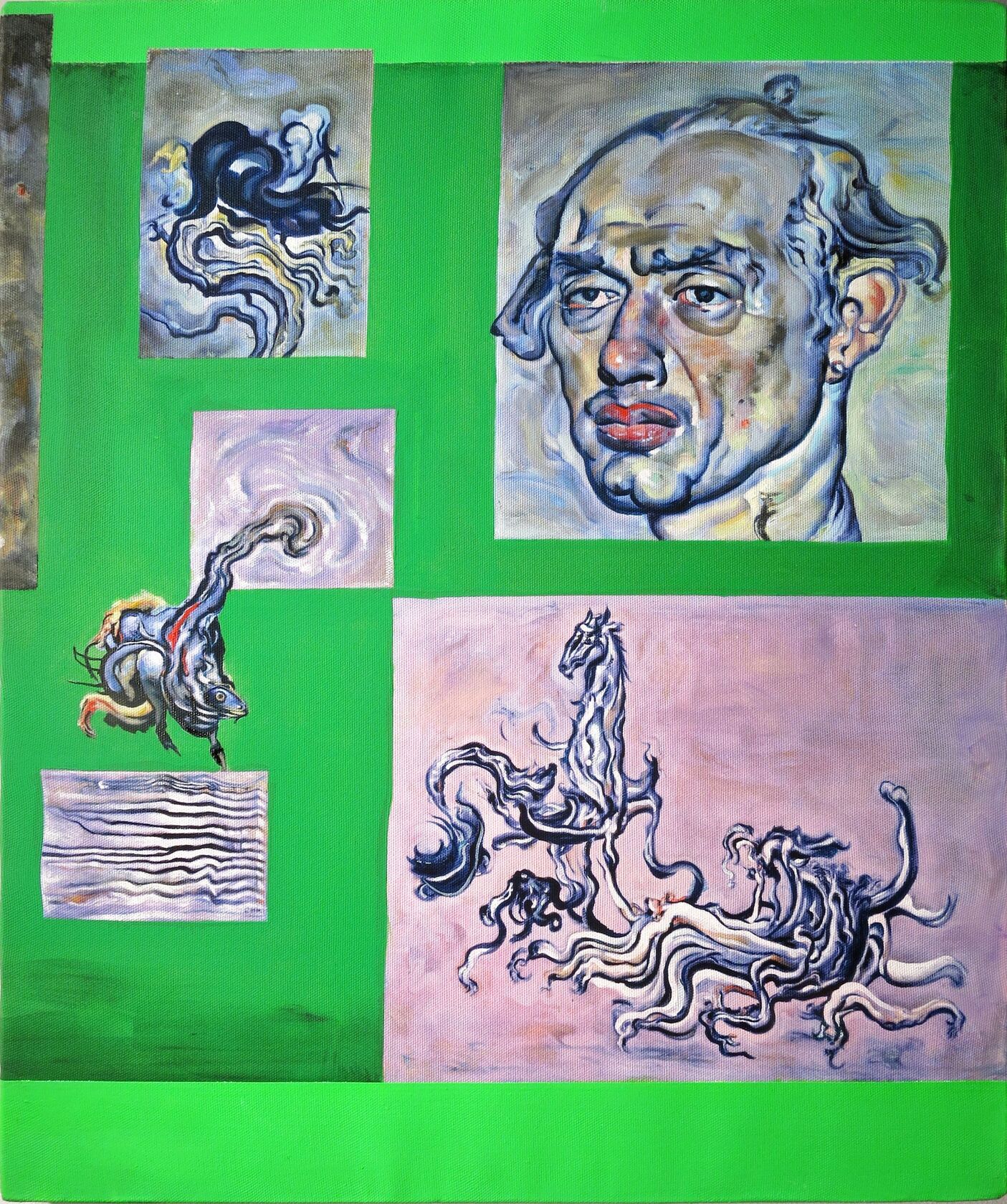
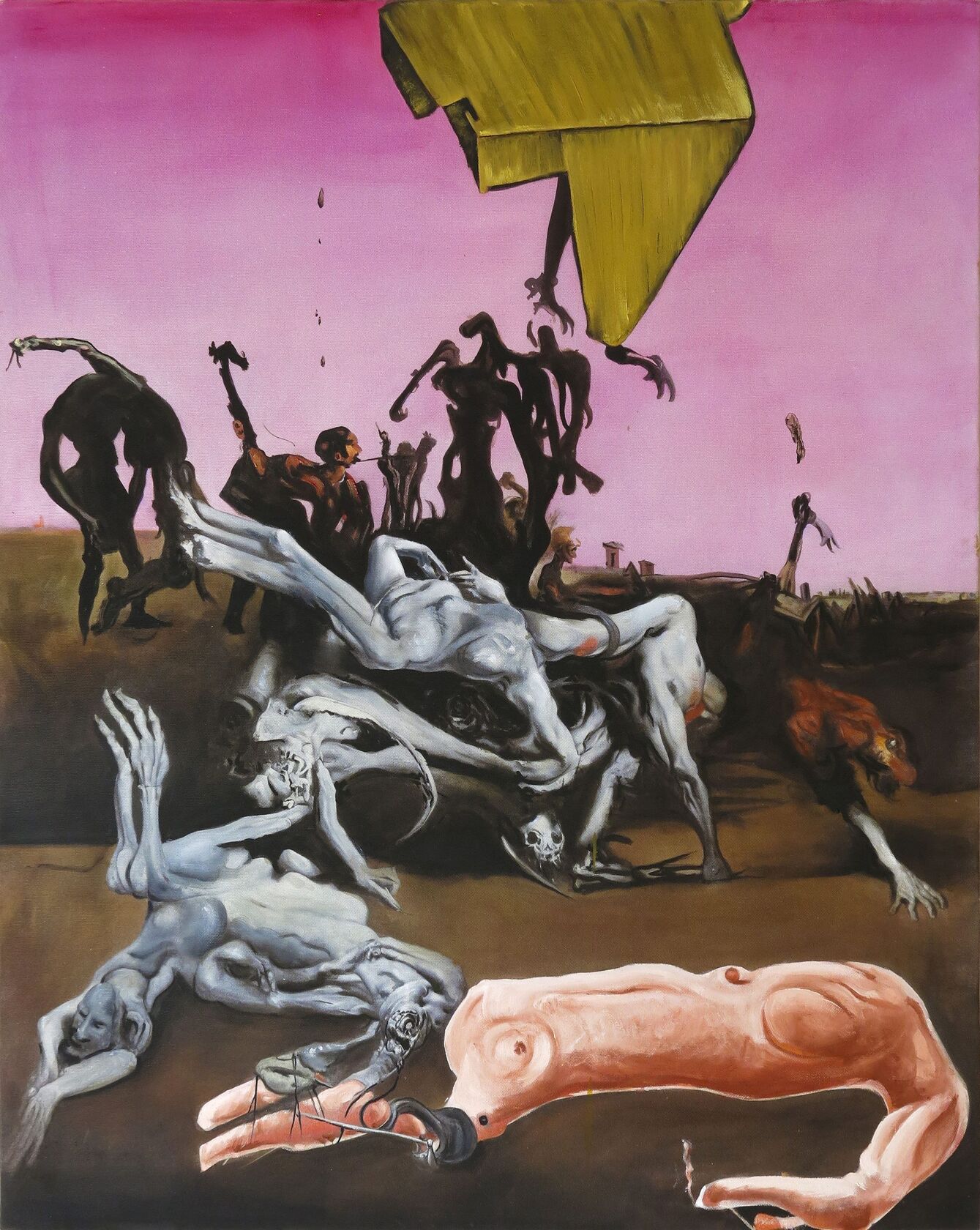
Set of over 40 phygital paintings derived from 5 original oil paitings. Printed on canvas and hand-painted over AI imagery, seamlessly blending digital/analog. This series explores merging human/machine work, while simultaneously serve as proxy blurring the boundaries between them.
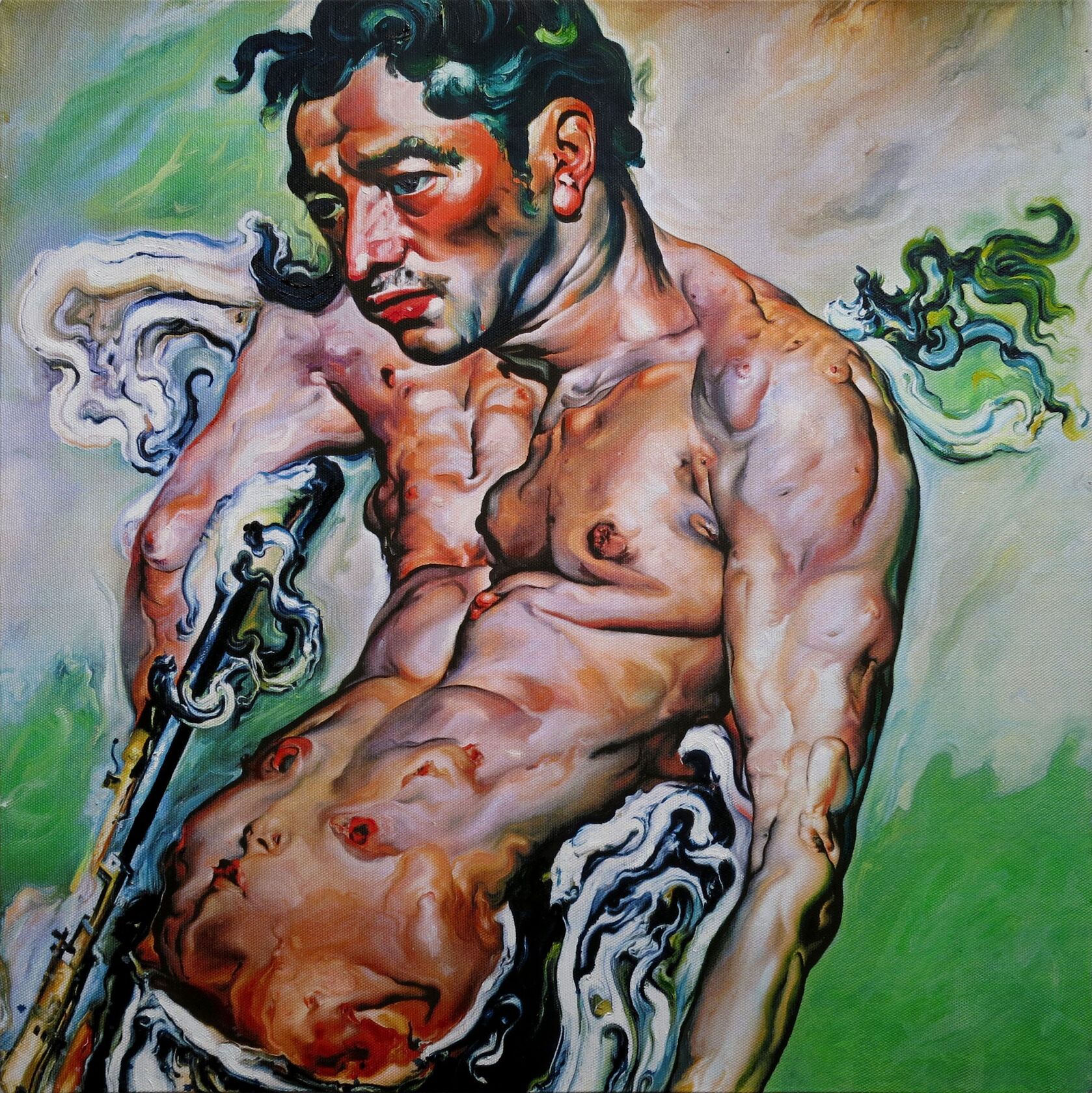
Permutation_Seed:3003280663 Canvas, Pigment Print, Acrylic, Oil, 50 x 50 cm, 2023
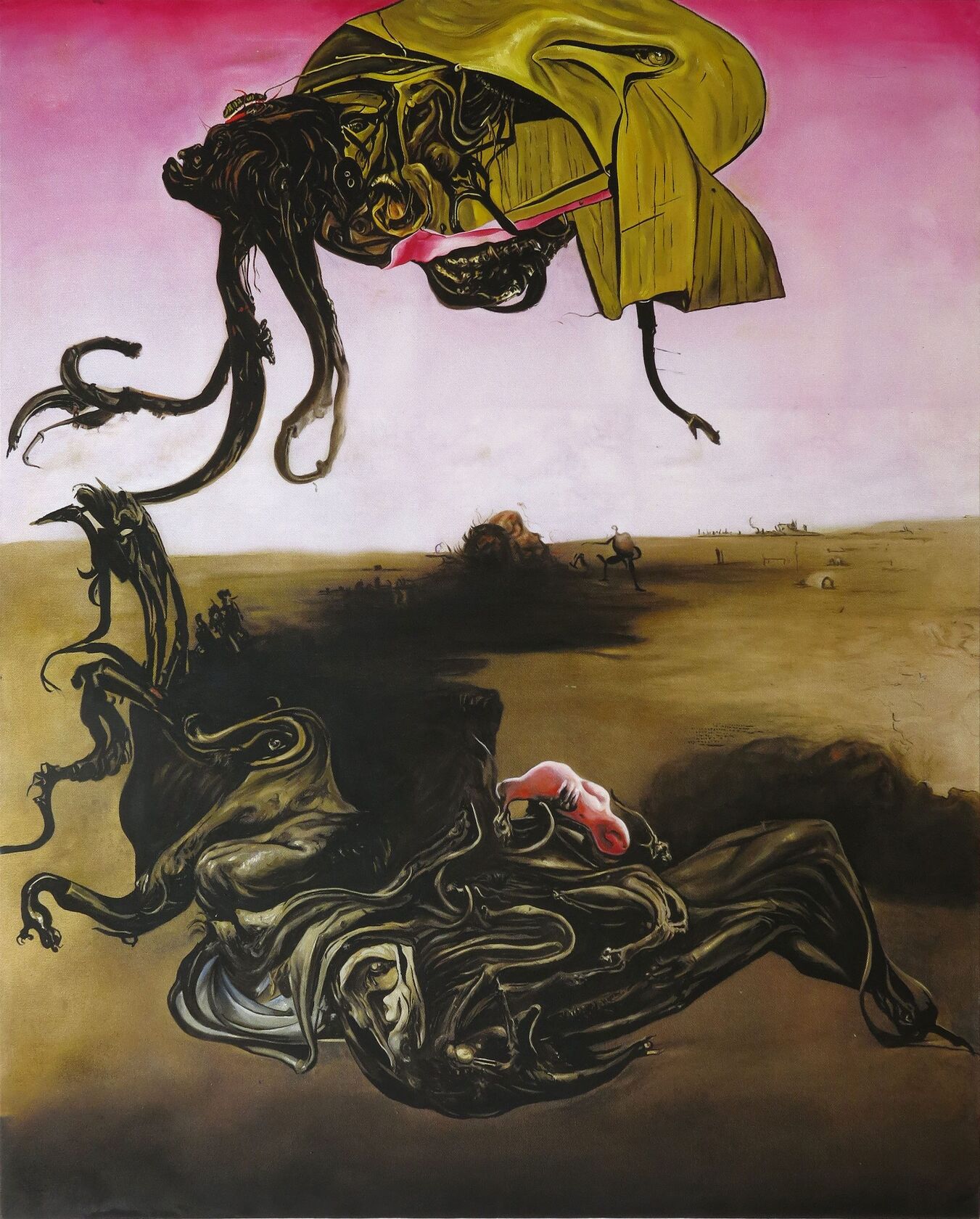
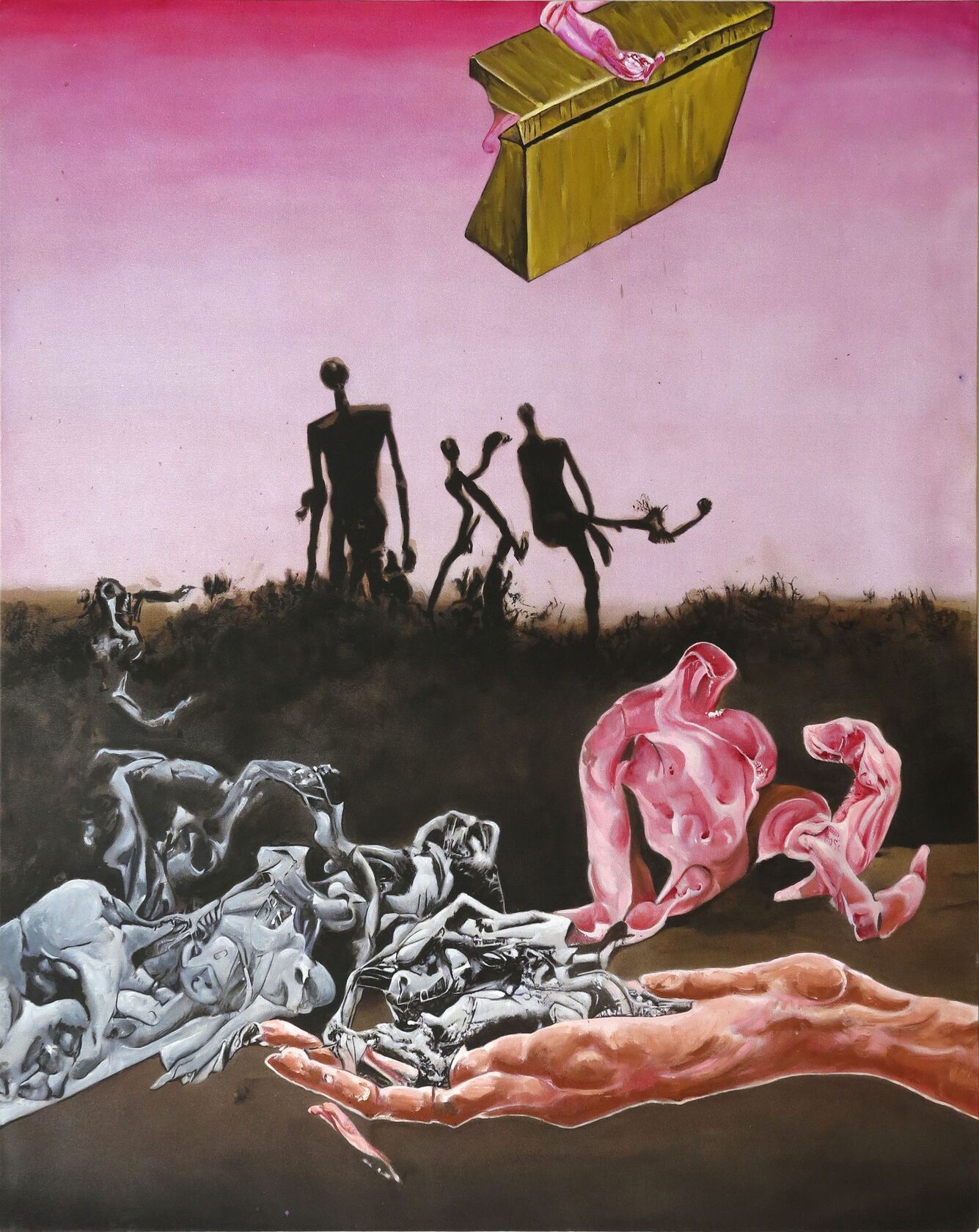
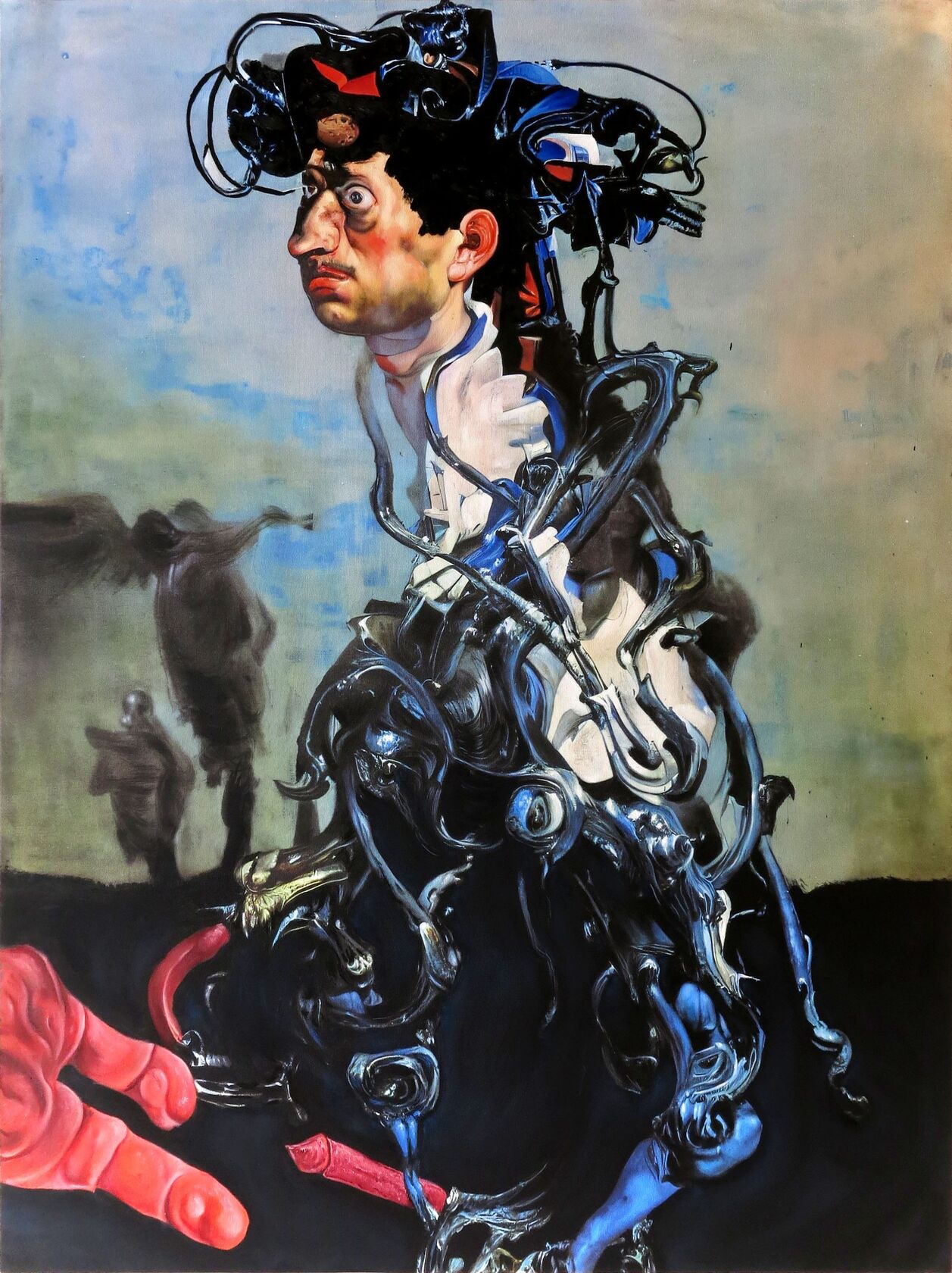
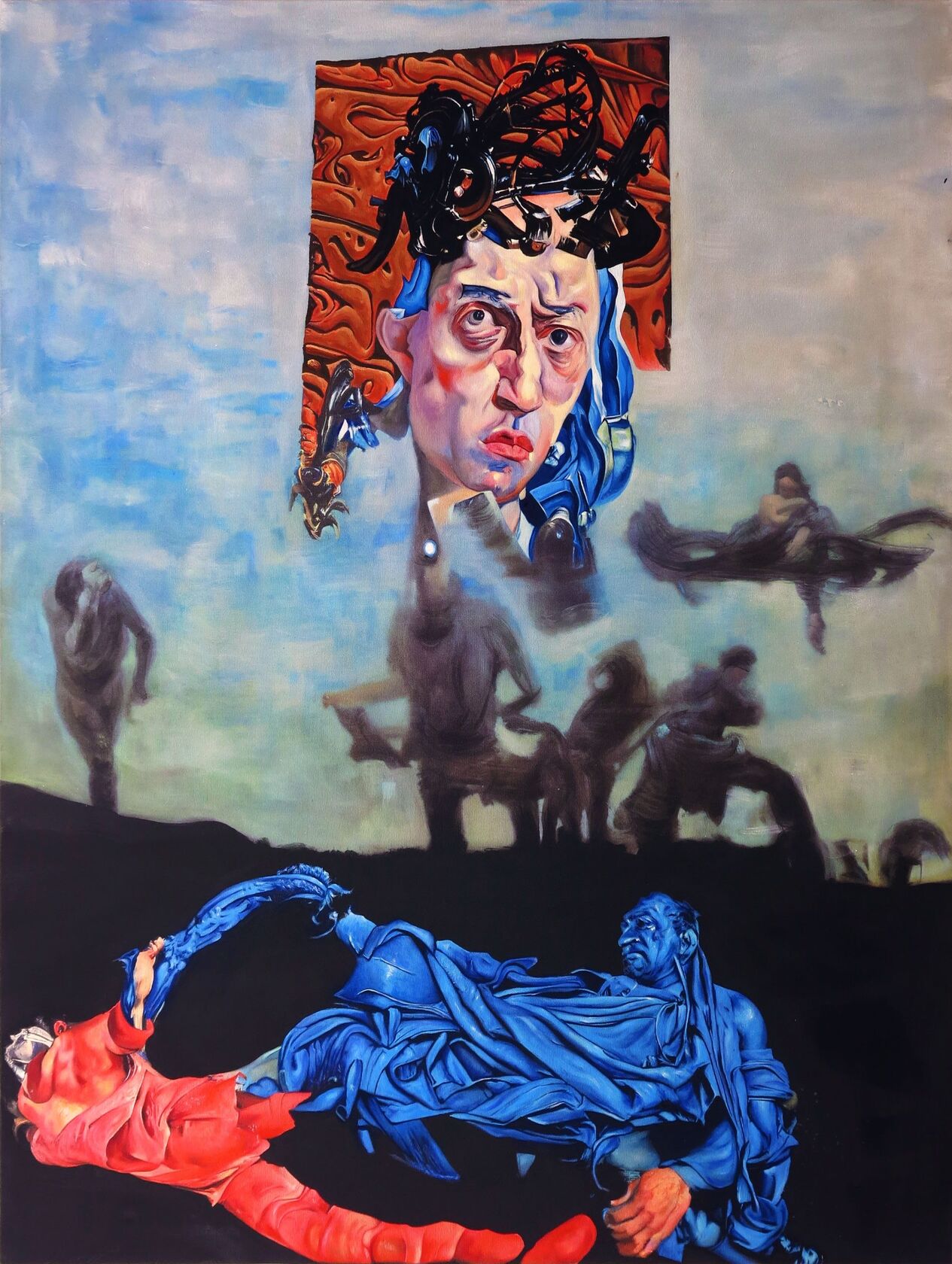
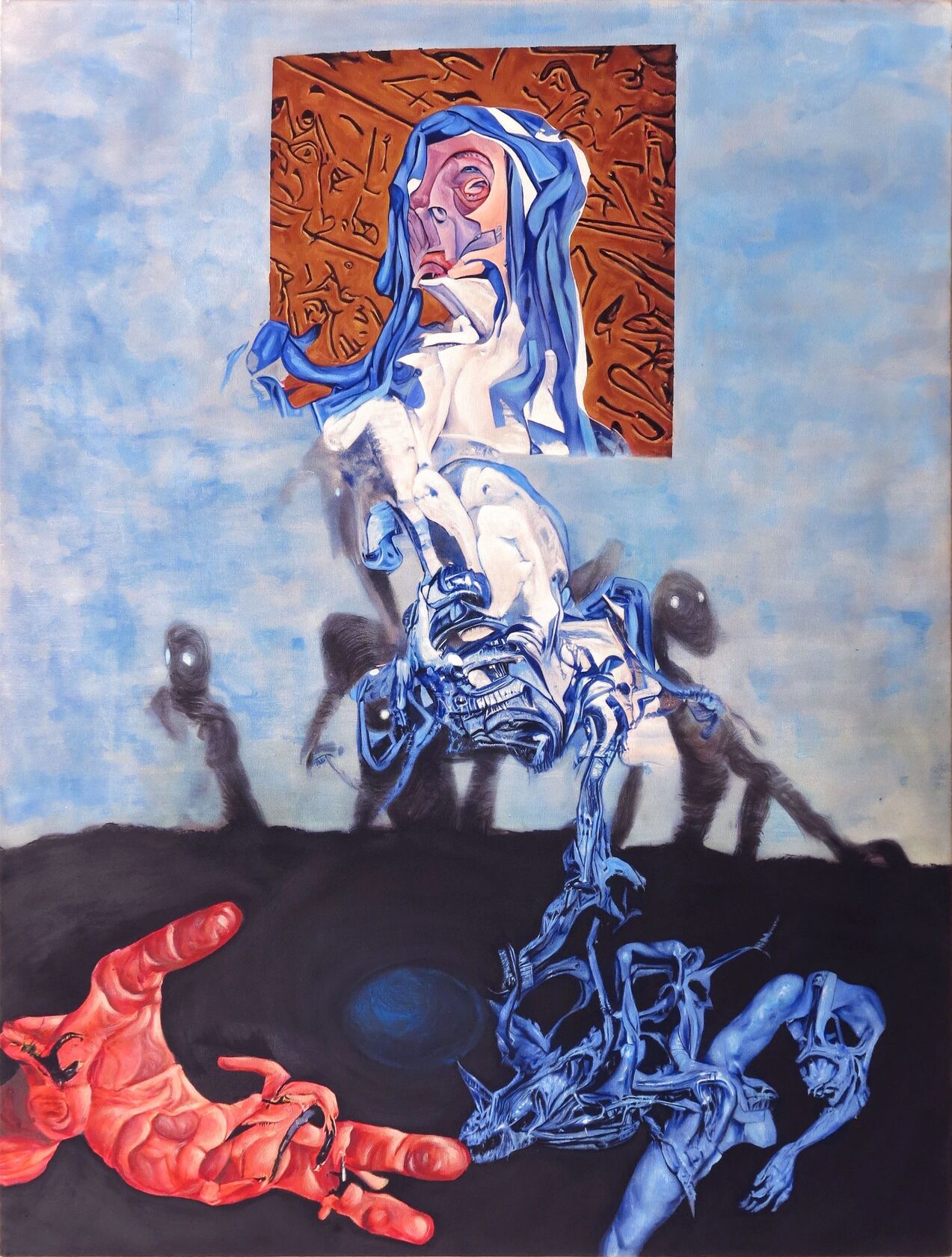
Facing the Other explores the intersection of traditional painting and most recent digital technologies, blurring the boundaries between human and machine creation. Using a mix of generative AI tools (ruDALL-E Malevich, ESRGAN, Stable Diffusion), I created 40 new compositions as a derivatives of my initial 5 original oil paintings. These compositions were then printed on canvas using high-quality pigment printing, stretched, and finished with traditional oil painting techniques. My goal was to create works where the distinction between human and machine-generated art becomes nearly impossible. The title Facing the Other refers to the connection between the human “organic machine” and the digital, machine-learning “Other.” This connection is also present in the compositions, which often reference the timeless human fear of impending change. Another layer of intersection between traditional painting and digital technology lies in the motif of repetition through permutations and iterations. At the heart of this series lies the concept of the human figure, each piece a deep exploration of form and psyche, intertwining the tangible with the intangible. The figures range from clear, emotive portraits to abstract forms, provoking reflections on identity and existence. The mood of the exhibition is reflective, pushing viewers to engage with the ‘Other’ - be it the digital entity, the unseen layers of self, or the rapid technological shifts in society. It invites an introspection that is simultaneously personal and collective, a mirror to our digitally entwined lives.


Permutations
Canvas, Pigment Print, Acrylic, Oil, 60 x 50 cm, 50 x 50 cm, 2023
Iterations
Canvas, Pigment Print, Acrylic, Oil, 120 x 90 cm, 100 x 80 cm, 2023
Iterations and Permutations in Painterly Creation
Art history is cyclical. For example, Renaissance masters often repeated biblical and mythological narratives to offer unique perspectives. In the modern era, artists like Claude Monet painted the same subjects in different settings, showcasing variability within repetition. Similarly, in contemporary art, Andy Warhol embraced repetition by creating multiple versions of the same image, such as his iconic Campbell's Soup Cans and portraits of celebrities.
Iterative Ideation in The Digital AgeGenerative machine learning enable infinite recombinations, providing artists with unprecedented possibilities to create countless variations of an artwork. By adjusting parameters, artist can produce series reflecting a single theme with different executions, moving beyond manual repetition to technological evolution. This new digital tool allows to re-imagine permutations and iterations, bridging art and technology.
Permutations in PaintingPermutations involve the arrangement of elements where order is crucial. In painting, this can be seen in the compositional choices and brushstrokes. Gerhard Richter's layered paintings exemplify permutations, where each stroke alters the outcome, creating diverse results.
Iterations: An Evolutionary ExplorationIterations focus on repetition with subtle differences, suggesting evolution. Yayoi Kusama's iconic dots evolve in size, color, and placement, offering endless exploration of a single concept, each iteration both familiar and distinct.
Cultural Implications and the Search for IdentityIn a globalized world, identities are constantly evolving. Permutations and Iterations in painting could metaphorically represent the search for self, with each revision offering a slightly altered reflection, indicating that while core elements remain, their manifestations change.
Machines and the SubconsciousGenerative algorithms tap into the collective subconscious of the art world, reflecting centuries of artistic thought. These works offer a fresh perspective, free from individual biases, akin to contemporary surrealism.
Facing the Other - Exhibition View